
When Rewards Stop Working: Rethinking Motivation in Kids
Sticker charts, treasure boxes, screen time tokens—many parents have tried them all. And sometimes, those rewards work for a while… until they don’t. One day your child is racing to earn that extra bedtime book, and the next, they couldn’t care less. If you’ve found yourself wondering why rewards seem to lose their power—or never […]
Building Secure Attachment Through Play: A Guide for Parents
Attachment is the emotional bond that forms between a child and their caregiver. When that bondfeels safe, consistent, and loving, it helps children build secure attachment. Children with secureattachment know they can turn to their caregiver for comfort, safety, and connection—especiallywhen they’re upset, unsure, or overwhelmed. This sense of security becomes the foundation foremotional regulation, […]
How Play Therapy Helps Children Heal and Grow
If you’ve ever watched your child build an elaborate story with toys, draw a picture out of nowhere, or act out a dramatic scene with dolls or action figures, you’ve witnessed something powerful: a child making sense of their world through play. In play therapy, this natural way of expressing emotions becomes a path toward […]
How Parents Can Support the Play Therapy Process at Home
Once your child begins play therapy, you may wonder what your role should be. Should you askthem what they talked about? Should you be doing something different at home? The good newsis that you are already doing something powerful by bringing your child to a space where theycan grow through play. Still, there are a […]
Tips for Communicating with Family During the Holiday Season
The holiday season can be a stressful time for many reasons, including increased obligations to spend time with family members. You may not get along with family members or the political climate may be increasing family tension. Communicating with family members during the holiday season can be challenging. In this article, we aim to highlight […]
Pros and Cons of Social Media Usage
Approximately 7 in 10 Americans utilize a social media platform (e.g., TikTok, YouTube, Instagram). People spend approximately 2.5 hours on social media daily. Given the increasing popularity of social media platforms, researchers have turned their attention to the possible consequences of social media. Research indicates that there are benefits to social media use, including opportunities […]
Parenting Young Adults with Autism Spectrum Disorder
The transition from teenager to young adulthood can be stressful for parents, as there are many unknowns and shifts in roles. The transition can be even more challenging when the young adult has autism spectrum disorder (ASD). Young adults with ASD are more likely to experience “failure to launch” and struggle with the transition from […]
Video Gaming
There are many misconceptions about video gaming and how it affects mental health. More often than not, politicians and public commentators will link video gaming to negative consequences, such as violence and aggression. However, research indicates that video gaming alone does not involve negative consequences. Rather, video gaming in moderation can actually be a healthy […]
Pathological Demand Avoidance (PDA)
Discussion of pathological demand avoidance (PDA) and requests for this diagnostic label have increased in the past few years. PDA was initially used to describe children who use “social manipulation” to avoid demands of parents or caregivers. Additional features include a “challenging behavioral profile,” such as resisting everyday demands and requests, a desire to be […]
Parenting and Mental Health During COVID19
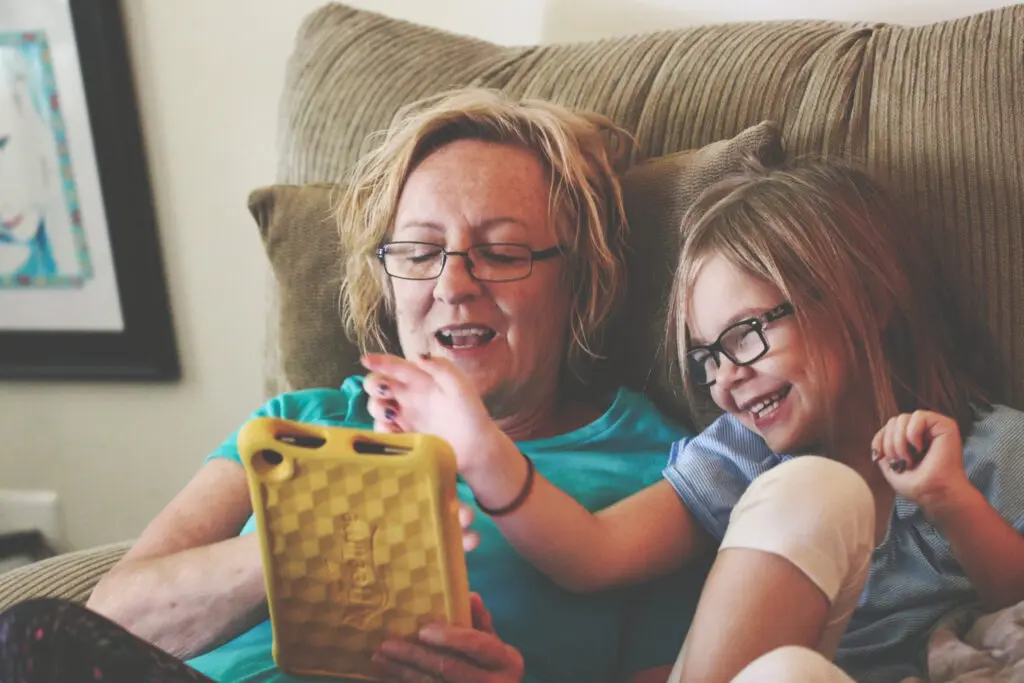
It’s easy to get caught up in the “magic” you see on Facebook that other families are creating. These families are eating dinner at the table together, baking 42 cakes, helping their child with homework with beautiful Pinterest-worthy set ups, and art projects to put in the windows for walkers in the neighborhood. Then, there […]